
Systems That Address Mineral and Contaminant Problems
Water Softeners & Filtration Systems in Temple for hard water scale buildup, metallic taste, and sediment affecting fixtures and appliances
Central Texas water carries high concentrations of calcium and magnesium that leave white scale on faucets, reduce water heater efficiency, and create soap scum that resists rinsing. Flowmasters Plumbing and Drain Services LLC installs water softeners and filtration systems in Lampasas that remove hardness minerals, filter sediment, and reduce chlorine taste before water reaches your fixtures and appliances. These systems address observable problems—spotting on glassware, shortened appliance lifespan, dry skin after showering, and drinking water that tastes or smells unpleasant.
Water softeners use ion exchange resin to swap calcium and magnesium ions for sodium, measured in grains of hardness removed per gallon of capacity. Whole-home filtration adds sediment filters, carbon blocks, or multi-stage cartridges that target specific contaminants based on your source water quality. Installation involves cutting into main supply lines, adding bypass valves for maintenance access, and integrating drain connections for backwash cycles. Systems require floor space near water entry points and electrical outlets for timer controls and regeneration cycles.
Schedule a water quality evaluation to identify specific hardness levels and contaminant concerns before selecting filtration equipment.
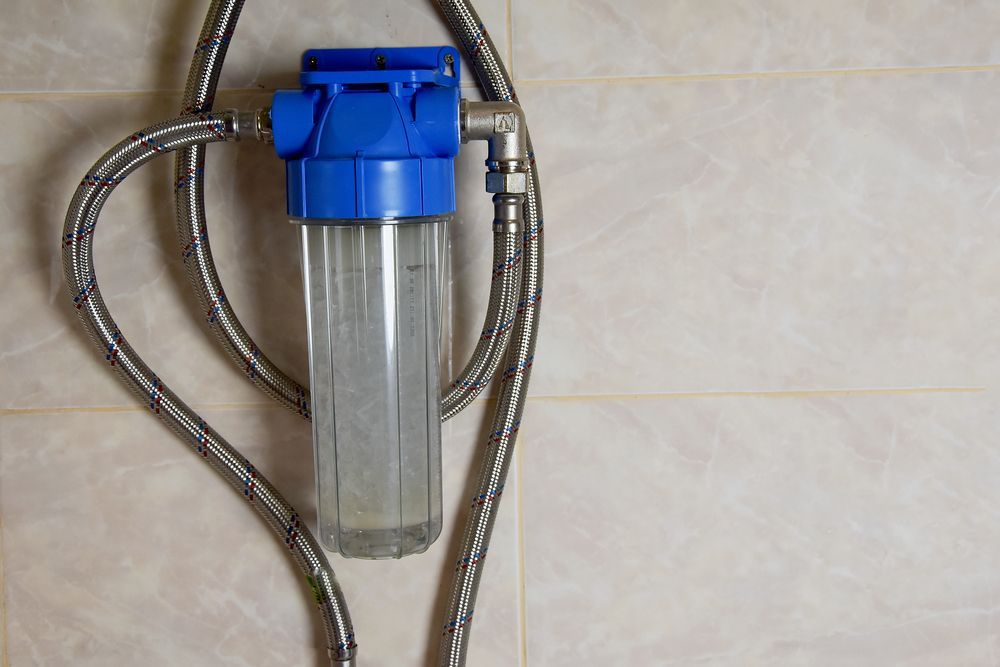
What Proper Installation Requires
Installing water treatment systems starts with testing your water to quantify hardness in grains per gallon, measure total dissolved solids, and identify any iron, sulfur, or sediment issues that affect equipment selection. A whole-home water softener connects to your main supply line after the pressure regulator but before any branch lines, allowing treated water to reach all fixtures except outdoor hose bibs, which typically bypass the system to avoid wasting softening capacity on irrigation. The drain line must terminate at an approved discharge point—laundry sink, floor drain, or dedicated standpipe—because regeneration cycles flush concentrated mineral brine that shouldn't enter septic systems in high volumes.
Once the system operates, you'll notice that soap lathers easily and rinses completely, glassware dries without spots, water heater elements no longer accumulate thick scale deposits, and showerheads maintain full spray patterns without mineral clogging. Drinking water filtration removes chlorine taste, sediment particles, and metallic notes, producing clear water without the plastic aftertaste common in bottled varieties.
Water treatment systems require salt refills for softeners—typically every four to eight weeks depending on household size and water hardness—and filter cartridge replacements on schedules ranging from three months for sediment pre-filters to annual changes for carbon blocks. Skipping maintenance reduces treatment effectiveness and can damage resin beds or allow bacterial growth in filter housings.
Common Questions About This Service
Homeowners evaluating water treatment options ask about sizing, operating costs, and whether filtration addresses specific water quality complaints they're experiencing.
How is water softener size determined for a household?
Softener capacity is calculated by multiplying your household's daily water usage in gallons by your water's hardness in grains per gallon, then selecting a resin tank that handles at least three days of demand between regeneration cycles; undersized units regenerate too frequently and waste salt, while oversized systems tie up resin capacity unnecessarily.
What does whole-home filtration remove that softening doesn't?
Softeners target only hardness minerals—calcium and magnesium—while filtration systems use sediment filters to remove particulates, carbon blocks to reduce chlorine and organic compounds, and specialized media to address iron, sulfur, or specific contaminants identified through water testing; many installations combine both technologies for comprehensive treatment.
Why does Temple water cause such severe scale buildup?
Temple's groundwater sources produce hardness levels frequently exceeding 15 grains per gallon—classified as very hard—due to limestone aquifer geology that dissolves calcium carbonate into supply water; this concentration accelerates scale formation inside water heaters, on fixture surfaces, and within appliance components compared to regions with softer source water.
When should filter cartridges be replaced?
Sediment pre-filters typically require replacement every three to six months depending on particulate load, carbon block filters last six to twelve months before chlorine breakthrough occurs, and specialty filters for iron or sulfur follow manufacturer schedules based on contaminant concentration; pressure drop across filter housings and taste changes signal when cartridges are exhausted.
What's the difference between drinking water filtration and whole-home systems?
Point-of-use drinking water filters treat only the water dispensed from a dedicated faucet, using multi-stage cartridges or reverse osmosis membranes to achieve higher purity for consumption; whole-home systems process all water entering your house, prioritizing scale prevention and sediment removal over the ultra-fine filtration needed for drinking water quality.
Flowmasters Plumbing and Drain Services LLC sizes water treatment systems based on tested water quality data and household consumption patterns. Request a consultation that includes water testing to identify which treatment approach addresses your specific concerns most effectively.