
Hot Water Systems That Maintain Temperature
Water Heater & Tankless Water Heaters in Temple for insufficient hot water, unit failures, and efficiency upgrades
Temperature fluctuation during showers, recovery times that stretch beyond an hour after tank depletion, and visible corrosion around tank bases all signal water heater deterioration. Installation establishes new heating capacity matched to your household's draw patterns, repair addresses component failures like thermostats and heating elements, and replacement becomes necessary when tank integrity fails or efficiency drops below acceptable thresholds. Flowmasters Plumbing and Drain Services LLC provides water heater installation, repair, and replacement for both traditional tank systems and tankless water heaters across Belton properties, ensuring hot water delivery meets demand without extended wait times.
Tank water heater service involves evaluating anode rod condition, checking for sediment accumulation that reduces capacity, and testing pressure relief valves that prevent dangerous pressure buildup. Tankless system installation requires calculating flow rate demands and ensuring gas supply or electrical capacity supports continuous heating at the required output. Mineral content in Temple water accelerates scale formation on heating elements, which insulates them from water contact and forces longer heating cycles that increase energy consumption.
Request a detailed estimate based on your current water heating capacity and usage patterns.
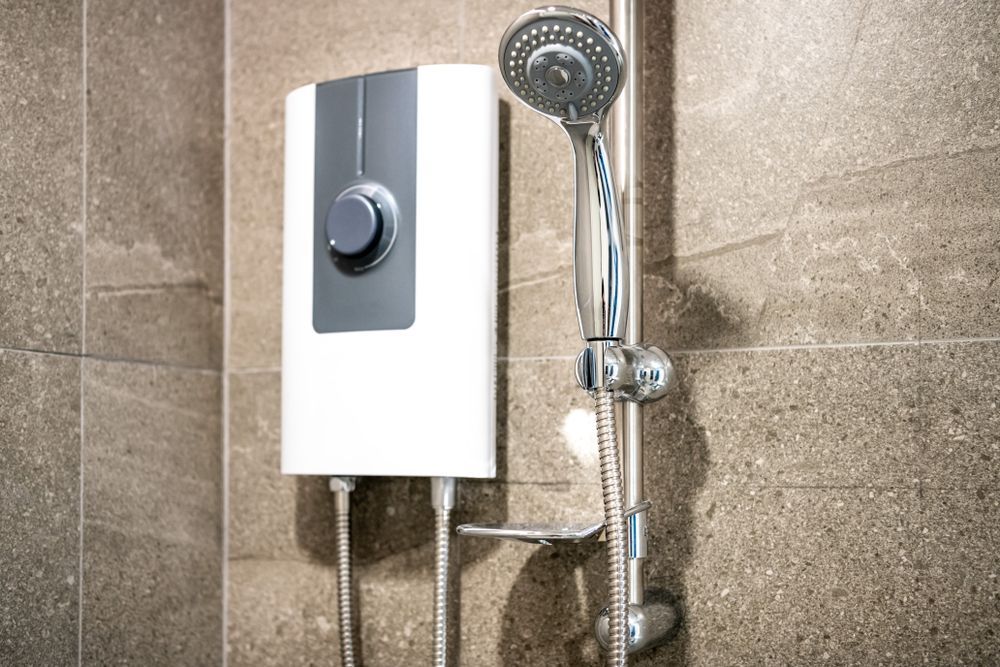
What Changes After Water Heater Work Completes
Tankless water heater installation and repair focuses on maintaining consistent temperature output regardless of simultaneous demand from multiple fixtures, while traditional tank systems are evaluated for recovery speed and standby heat loss. Installation sizing determines whether the unit can satisfy peak demand periods without temperature drop, which requires knowing fixture count and typical usage overlap.
After installation or replacement, you notice hot water reaching fixtures within seconds for tankless systems or maintaining temperature throughout extended use for properly sized tank systems, no rumbling sounds indicating sediment boiling on tank bottoms, and energy consumption that aligns with rated efficiency rather than exceeding it due to scale insulation. The unit operates without cycling on and off rapidly, which indicates proper thermostat calibration and adequate insulation.
Tankless system maintenance includes periodic descaling to remove mineral buildup from heat exchangers, which prevents flow restriction and premature component failure. Replacement decisions weigh repair costs against remaining unit lifespan, since multiple component failures often indicate deterioration that makes additional repairs uneconomical within a short timeframe.
Questions Before Starting Your Project
Water heater decisions involve understanding capacity requirements, efficiency differences, and maintenance obligations for different system types.
How do I determine whether tankless or tank water heaters suit my usage pattern?
Tankless systems excel when hot water demand occurs in short, intense periods with recovery time between, while tank systems handle prolonged simultaneous use better but require space for storage capacity.
What causes water heaters to fail prematurely in Temple?
Mineral-heavy water accelerates anode rod depletion and scale formation, while inadequate temperature and pressure relief valve maintenance allows pressure conditions that stress tank seams and weaken structural integrity.
When should water heater repair be chosen over replacement?
If the tank shows no corrosion and the unit is under eight years old, component replacement like thermostats or heating elements typically provides several more years of service at a fraction of replacement cost.
What maintenance extends water heater lifespan?
Annual anode rod inspection and replacement when significantly corroded, periodic tank flushing to remove sediment, and testing pressure relief valves ensure components function properly and the tank interior remains protected.
How does tankless water heater installation differ from traditional tank replacement?
Tankless units require venting modifications for combustion air and exhaust, larger gas line sizing for higher BTU input, or significant electrical upgrades for whole-house electric models, while tank replacements usually use existing connections.
Flowmasters Plumbing and Drain Services LLC installs, repairs, and replaces water heating systems with sizing appropriate to actual demand rather than generic recommendations. Schedule a property evaluation to assess your specific water needs and system options.