
Underground Systems That Remove Waste Reliably
Sewer Line Services in Temple for backups, slow drainage, and aging underground piping that threatens foundation stability
Sewage backs up into ground-floor drains, multiple fixtures gurgle when one toilet flushes, or wet spots appear in your yard above the sewer line path. These symptoms point to sewer line failures that won't resolve with drain cleaning alone. Flowmasters Plumbing and Drain Services LLC provides sewer line repair, replacement, and inspection services in Copperas Cove for underground waste systems that move sewage from your home to municipal connections or septic tanks. The work addresses blockages, root intrusion, collapsed sections, and deteriorated piping that no longer maintains proper slope or structural integrity.
Sewer line problems develop from tree root penetration through pipe joints, ground shifting that cracks rigid cast iron or clay pipe, and age-related corrosion that perforates metal sections. Video camera inspections identify the exact location and nature of failures—whether a single crushed section needs replacement or the entire line requires rerouting. Trenchless repair methods allow pipe relining for structurally sound lines with interior damage, while full excavation becomes necessary when pipes have collapsed or shifted out of alignment.
Request a sewer line inspection to identify blockage sources and pipe condition before backups cause interior water damage.
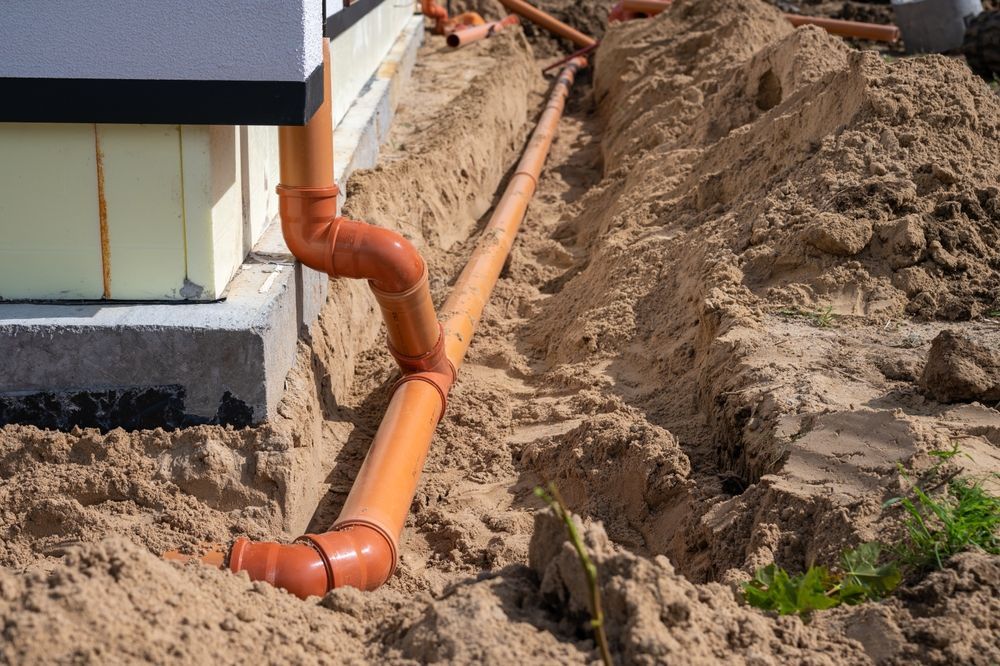
How Sewer Line Replacement Addresses Underground Failures
Sewer line replacement involves excavating the path from your home's main drain to the connection point, removing failed piping, and installing schedule 40 PVC pipe with properly sealed joints and consistent downward slope. Excavation depth varies based on your home's foundation height and municipal connection requirements—typically three to six feet—and the trench must maintain at least a quarter-inch drop per linear foot to allow gravity-driven flow. Backfill happens in compacted layers to prevent settling that could crack new pipe or create low spots where waste accumulates.
After sewer line work completes, drains throughout your home empty quickly without gurgling or slow drainage, toilets flush with strong vortex action, and no sewage odors emerge from floor drains or cleanout access points. Your yard shows a visible trench path that settles over several months as soil compacts, and you'll need to reseed or replace landscaping above the excavation route.
Sewer line services include post-installation camera verification that confirms no gaps exist at joints, slope remains consistent throughout the run, and no construction debris obstructs the new line. This documentation becomes part of your property records and provides baseline condition data for future inspections.
Answers to Frequent Service Questions
Sewer line work raises questions about property disruption, repair methods, and how to distinguish between drain cleaning and actual pipe replacement needs.
How do I know if my sewer problem requires line replacement versus cleaning?
Recurring backups after professional drain cleaning, multiple fixture drainage problems happening simultaneously, sewage surfacing in your yard, or camera inspection revealing cracked, collapsed, or offset pipe sections all indicate that cleaning won't solve the underlying structural failure.
What is trenchless sewer repair and when does it work?
Trenchless methods insert epoxy-coated liners or burst old pipe while pulling new pipe through the same path, requiring only small access pits instead of full-length trenches; this approach works when existing pipe maintains structural alignment and sufficient diameter, but fails when lines have collapsed, shifted significantly, or contain sharp bends that prevent liner insertion.
Why does Temple's clay soil affect sewer line stability?
Expansive clay soils common in the Temple area swell when wet and contract during drought, creating ground movement that stresses rigid sewer pipes at joints and transition points; older cast iron and clay pipe installations lack the flexibility to handle this seasonal shifting, leading to separation at connections and cracks in pipe bodies.
How long does sewer line replacement take from start to finish?
Full sewer line replacement typically requires two to four days depending on run length, excavation depth, and whether concrete, driveways, or other hardscaping must be removed and replaced; inspection and planning happen beforehand, and final backfill settling continues for weeks after the new pipe is functional.
What maintenance extends sewer line lifespan after installation?
Avoid flushing wipes, paper towels, or hygiene products that don't disintegrate; limit garbage disposal use to prevent grease accumulation; plant trees away from sewer line paths to prevent root intrusion; and schedule camera inspections every five to seven years to catch early signs of joint separation or settling before complete failures develop.
Flowmasters Plumbing and Drain Services LLC uses camera inspection equipment to diagnose sewer line conditions before recommending repair methods. Arrange a sewer inspection if you're experiencing drainage symptoms that affect multiple fixtures or persist after standard cleaning attempts.