Complete Plumbing Solutions for Properties
Residential & Commercial Plumbing in Temple for installation, repair, and maintenance across all fixture and piping systems
Flowmasters Plumbing and Drain Services LLC provides full-service plumbing for residential properties and commercial facilities in Temple, handling everything from fixture replacements and water heater installations to complete rough-in plumbing for new construction and tenant improvement projects. The scope covers supply line repairs, drain system maintenance, fixture upgrades, repiping projects, and code compliance work for properties requiring permits. This breadth means you work with one contractor whether you need a bathroom remodel, leak detection and repair, commercial restroom fixture installation, or ongoing maintenance agreements for multi-unit properties.
Residential plumbing addresses single-family homes, townhomes, and small multi-family buildings where fixture count remains modest and code requirements follow IRC standards. Commercial work scales to higher fixture counts, larger pipe sizing, more stringent accessibility requirements under ADA, and systems designed for heavier daily use. Both categories involve similar skills—sweating copper, gluing PVC, testing pressure, setting fixtures level—but commercial projects demand greater attention to flow rates during peak usage, backflow prevention for cross-connection control, and coordination with general contractors managing broader construction timelines.
Request a plumbing evaluation to assess current system condition and identify repairs or upgrades that prevent future failures.
What Full-Service Plumbing Actually Accomplishes
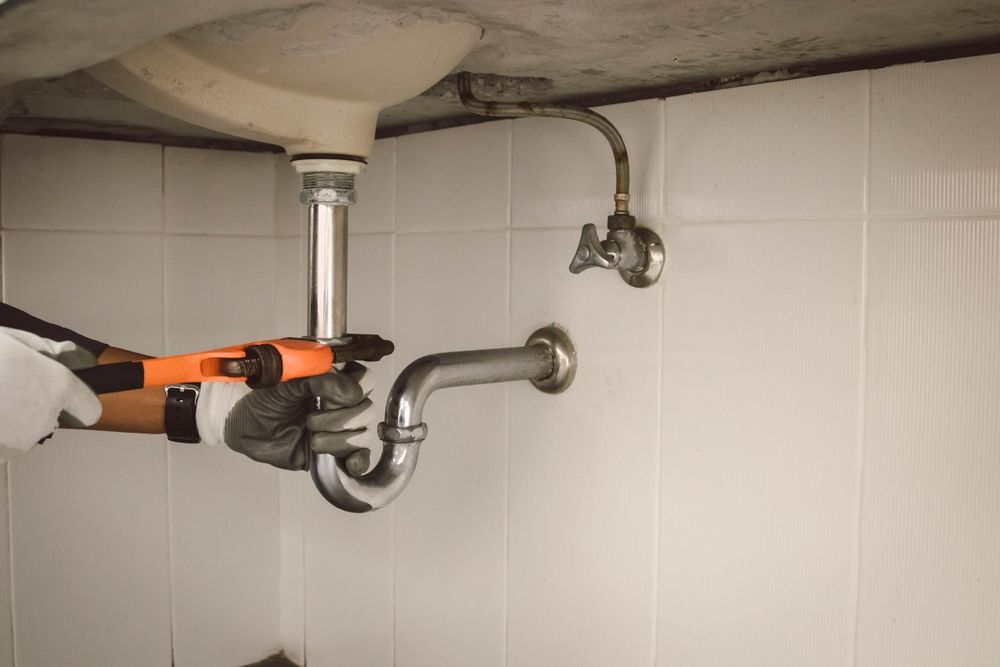
Full-service plumbing capability means handling diagnostic work to identify why fixtures leak or drains clog, then executing repairs that range from replacing wax rings and flappers to cutting out sections of drain pipe and installing new fittings. Installation projects involve templating fixture locations, running supply and drain lines to code-required sizes, testing systems under pressure, and completing finish work that leaves fixtures operational and aesthetically integrated. Maintenance programs include scheduled inspections of water heaters, testing pressure-reducing valves, flushing sediment from tank bottoms, and catching small issues before they escalate into emergency calls.
After comprehensive plumbing work, fixtures operate without leaks at connections, drains clear quickly without standing water, water pressure remains consistent throughout the property, and no pipe noise occurs during fixture use. You'll have documentation of what was repaired or replaced, recommendations for future work based on system age and condition, and confidence that installations meet current code even if surrounding plumbing reflects older standards.
Plumbing service includes explaining what caused failures—whether galvanic corrosion from mixing pipe materials, thermal expansion cracking rigid connections, or fixture age simply reaching end of service life. Understanding failure mechanisms helps you prioritize which systems need proactive replacement versus running to failure.
Questions Before Starting Your Project
Plumbing projects raise questions about what repairs to prioritize, when replacement makes more sense than ongoing repairs, and how to maintain systems between service calls.
When should I replace plumbing fixtures versus continuing to repair them?
Fixtures showing corrosion that prevents parts from sealing, discontinued models where replacement components are unavailable, or units requiring repair costs approaching 50% of replacement expense typically warrant full replacement; functional fixtures with worn internal parts like flappers, cartridges, or washers remain worth repairing.
How do commercial plumbing requirements differ from residential work?
Commercial installations follow IPC rather than IRC code, requiring larger trap and vent sizing, more frequent cleanout access, backflow prevention on supply connections, ADA-compliant fixture heights and clearances, and higher fixture unit calculations to prevent drainage system overload during peak usage periods.
What should plumbing maintenance include for rental properties?
Annual inspections should test water heater temperature and pressure relief valves, flush sediment buildup, check toilet flappers and fill valves for wear, inspect exposed piping for corrosion or leaks, test main shutoff operation, and clean aerators to maintain flow rates; catching minor issues during scheduled visits prevents tenant emergency calls and water damage liability.
Why does Temple's water chemistry affect plumbing component lifespan?
High mineral content accelerates scale buildup inside water heaters and on fixture aerators, hard water corrodes sacrificial anode rods faster requiring more frequent replacement, and sediment accumulation in tank bottoms reduces heating efficiency while increasing energy costs; properties without water softening see these effects more severely than treated systems.
What plumbing upgrades add value during remodeling projects?
Replacing galvanized supply lines with copper or PEX prevents future corrosion failures, upgrading to low-flow fixtures reduces water bills while meeting current code, adding shutoff valves at each fixture simplifies future repairs, and installing water hammer arrestors eliminates pipe noise that bothers occupants; these improvements increase system reliability beyond cosmetic updates alone.
Flowmasters Plumbing and Drain Services LLC maintains familiarity with both residential and commercial plumbing standards to address projects across property types. Schedule a service appointment to address specific plumbing concerns or discuss planned renovation work requiring code-compliant installations.